
Honouring every journey — preserving every memory.
"Those we love never truly leave us. They live on in the stories we tell, the values they shared, the traditions they passed on, and the lives they touched."
Every life tells a story. From the day we are born, we create memories with family, friends, neighbours and communities. We celebrate birthdays, weddings, milestones, festivals and achievements. Equally important is taking time to honour those who have completed their life's journey.
Across India's many cultures, religions and traditions, remembering loved ones is considered both an act of love and a responsibility passed from one generation to the next. Whether through annual ceremonies, prayers, charitable acts or family gatherings, these moments keep memories alive and reinforce bonds that continue beyond a person's lifetime.
Celebrate a Life on IndianFamilyTree.com provides a respectful place where families can preserve the stories, photographs, traditions and legacies of those who came before them — a lasting tribute that future generations can discover and cherish.
A place to light a candle.
Every family has someone whose absence still shapes the room. Create memorial pages, share stories and light a candle — carried across the SocialPulse network so distant relatives can grieve, and remember, together.
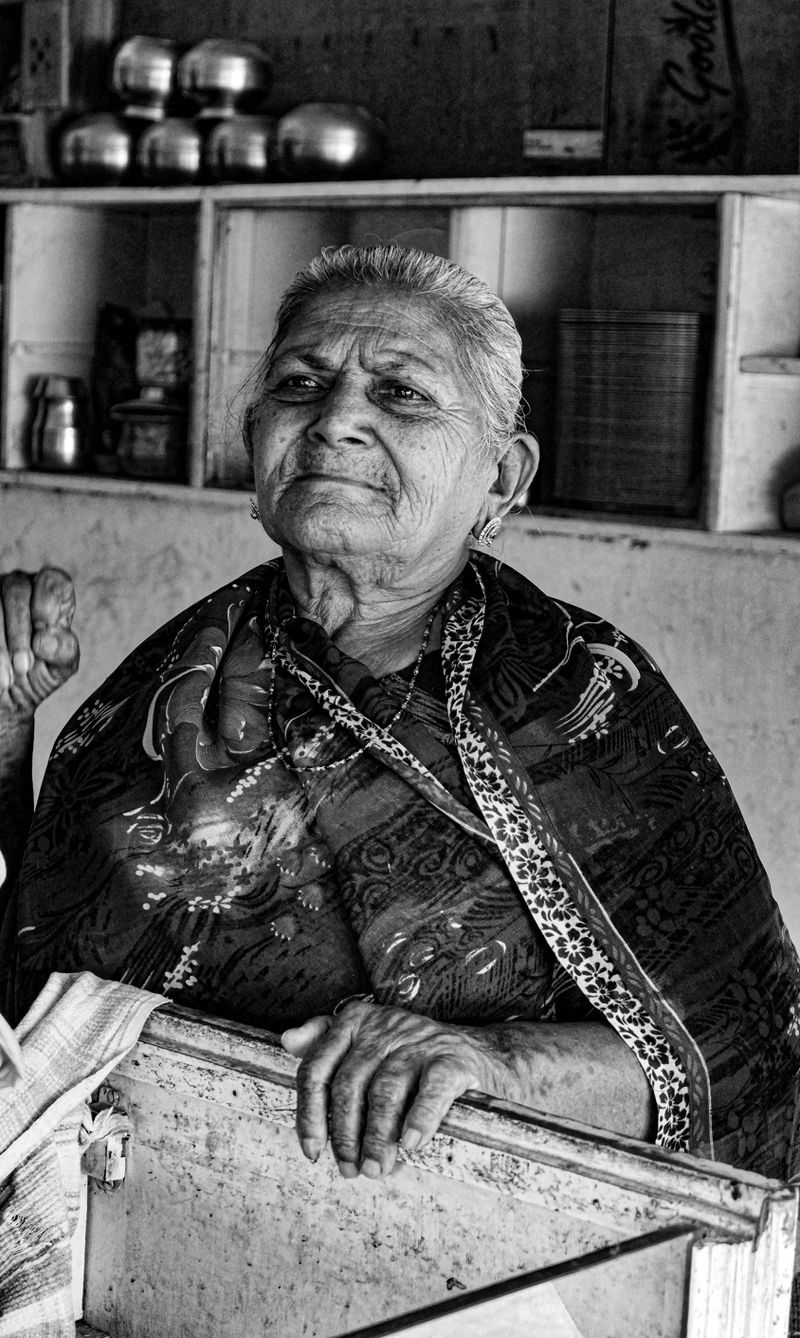
“Matriarch of the Kalpathy tharavad. Told stories the walls remembered.”
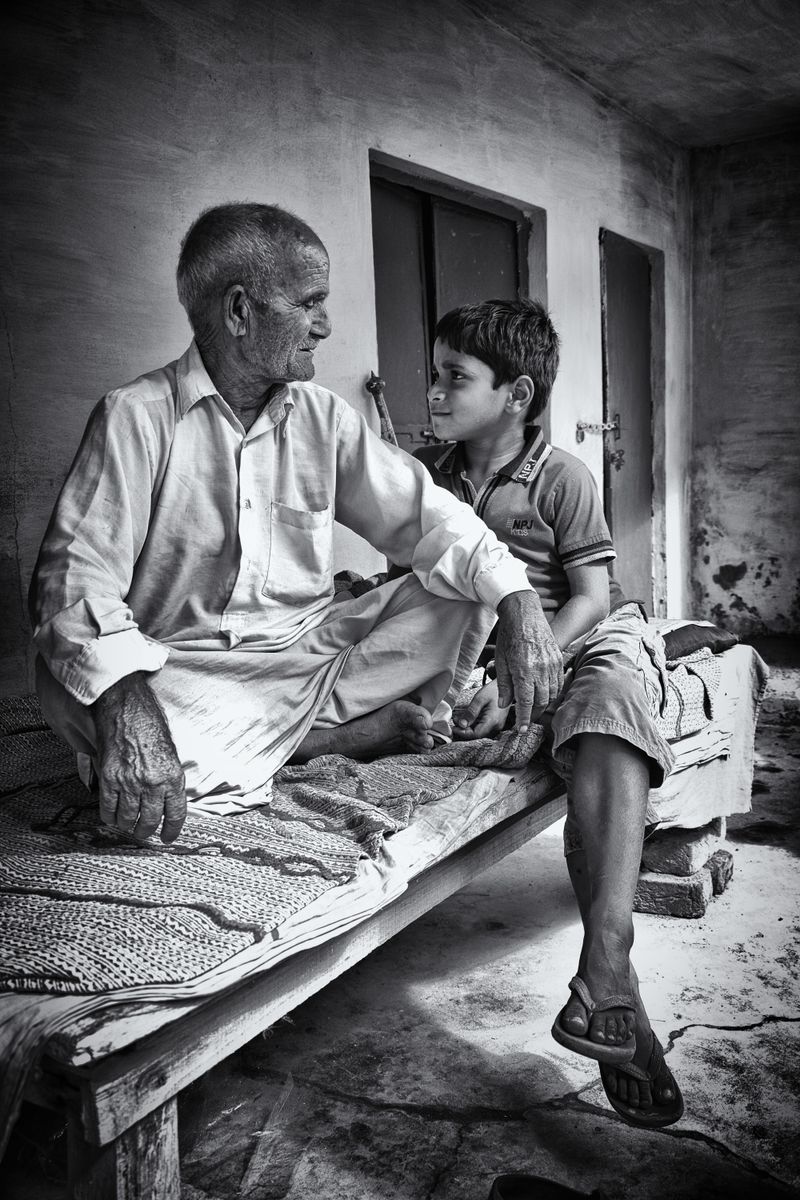
“Set the first Marathi printing press in Bombay. Believed a page could hold a village.”

“Rode the Grand Trunk Road with cloth bales and a transistor. Every arrival was a poem.”

“Sang Thyagaraja krithis every dawn for eighty-six years, Cauvery keeping time.”
One country, many ways to say goodbye.
Funeral and memorial customs vary across regions, communities and faiths — yet they share common values: honouring the deceased, supporting the grieving, and remembering a life with dignity. The notes below are broad overviews; individual families may follow their own regional or personal traditions.
Hindu
For many Hindu families, cremation is the customary practice, symbolising the return of the body to the five elements of nature. Funeral rites are generally performed by close family members and are often followed by prayers, gatherings and remembrance ceremonies. Many families observe rituals on specific days after the funeral and continue to remember loved ones during annual memorial observances. Acts of charity, feeding people in need, and offering prayers are common expressions of remembrance. Memories are also preserved through family stories, photographs, heirlooms and visits to places of significance.
Sikh
Sikh funeral ceremonies emphasise acceptance of the natural cycle of life and trust in the will of the Divine. Cremation is common, followed by prayers, hymns from the Guru Granth Sahib, and gatherings where family and community come together in support. Rather than focusing solely on loss, Sikh traditions often encourage gratitude for the person's life and contributions while remembering them through prayer, service and acts of kindness.
Buddhist
Buddhist funeral practices vary among traditions and regions. Ceremonies often include chanting, meditation and reflections on compassion, impermanence and the continuity of life. Memorial gatherings may be held on significant days after death, and families frequently honour loved ones through charitable activities and acts that benefit others.
Jain
Jain communities generally emphasise simplicity, non-violence and spiritual reflection. Funeral ceremonies often focus on prayers, meditation and remembrance of the individual's virtues and ethical life. Families may honour the departed by supporting educational, charitable or community initiatives that reflect the person's values.
Muslim
For Muslims, burial is the traditional practice. Funeral prayers are offered by the community, and burial usually takes place as soon as practical after death. Families gather to offer prayers, comfort one another and remember the deceased with respect and humility. Many families continue remembrance through prayers, charitable giving and caring for relatives and neighbours in the spirit of the departed.
Christian
Christian funeral services commonly include prayers, scripture readings, hymns and words of remembrance. Depending on family preference and denomination, burial or cremation may follow. Families often visit gravesites, celebrate memorial services and gather on anniversaries to reflect on the life and legacy of those they love.
Parsi (Zoroastrian)
Parsi communities follow distinctive funeral customs rooted in respect for nature and the elements. Their ceremonies emphasise dignity, remembrance and prayer while supporting grieving families through close community bonds.
Indigenous & Tribal
India's tribal and indigenous communities maintain a remarkable diversity of funeral traditions, reflecting local beliefs, ancestral customs and deep connections to the land. Some practise burial, others cremation, and many include music, dance, storytelling or communal gatherings that celebrate the person's role within the community. These traditions highlight the importance of preserving local cultural heritage alongside individual family histories.
Every corner of the country has its own way of remembering.
- 01Northern IndiaFamilies may gather for prayer meetings, community meals and annual remembrance ceremonies. Rivers, pilgrimage sites and ancestral homes often hold special significance.
- 02Southern IndiaRemembrance frequently includes family gatherings, religious observances, temple visits, charitable offerings and the careful preservation of family records and photographs.
- 03Eastern IndiaCommunities often combine religious rituals with storytelling, shared meals and collective remembrance — emphasising continuity between generations.
- 04Western IndiaMany families commemorate loved ones through prayer, charitable donations, cultural traditions and annual family reunions.
- 05Northeastern IndiaFuneral customs vary widely among different ethnic groups and faiths, reflecting a rich tapestry of indigenous traditions alongside Hindu, Christian, Buddhist and other practices.
The most enduring memorials are the lives we continue to influence.
Families preserve memories in dozens of ways — some ceremonial, some utterly ordinary. Every one of them helps future generations understand how their ancestors lived, loved, worked and contributed.
- 01Photographs and albums
- 02Handwritten letters
- 03Family recipes
- 04Recorded interviews
- 05Audio memories
- 06Videos
- 07Awards and certificates
- 08Military service records
- 09Family businesses
- 10Personal journals
- 11Artwork
- 12Favourite books
- 13Music collections
- 14Community service projects
- 15Trees planted in memory
- 16Scholarships and charitable initiatives
What we don't record, fades.
As generations pass, invaluable memories can vanish if they are not recorded. By preserving these stories today, families create an enduring bridge between the past and the future.
- Children may never hear how their grandparents met.
- Great-grandchildren may never know why a family moved from one village to another.
- Photographs lose context.
- Names become forgotten.
- Family traditions disappear.
Every person leaves behind a legacy that deserves to be remembered.
A digital memorial can become a place where family — living in the same hometown or across the world — comes together to celebrate a life. Over time it becomes more than a memorial; it becomes a living archive of family history.
- 01A biography celebrating the person's life
- 02Family relationships and genealogy
- 03Photographs across different life stages
- 04Videos and audio recordings
- 05Personal stories shared by relatives and friends
- 06Important milestones and achievements
- 07Community contributions and tributes
- 08Favourite sayings, poems or songs
- 09Places that were meaningful to them
- 10Memorial dates and family anniversaries
- 11Acts of service, charitable work and lasting contributions
The greatest inheritance is not measured in wealth alone.
It is found in the stories we preserve, the values we pass forward, the traditions we continue, and the memories we choose to protect. A child who reads about a great-grandparent's courage, kindness or resilience gains more than historical knowledge — they gain a sense of identity and belonging.
Every family deserves that opportunity.
Celebrate a Life. Preserve a Legacy. Inspire Future Generations.
Whether your loved one was a teacher, farmer, artist, entrepreneur, homemaker, soldier, doctor, craftsperson or community volunteer, their legacy is an irreplaceable part of your family's history.
Start preserving your family legacy today.
Build your tree, uncover forgotten stories, reconnect with relatives and create a lasting archive for generations you'll never meet.